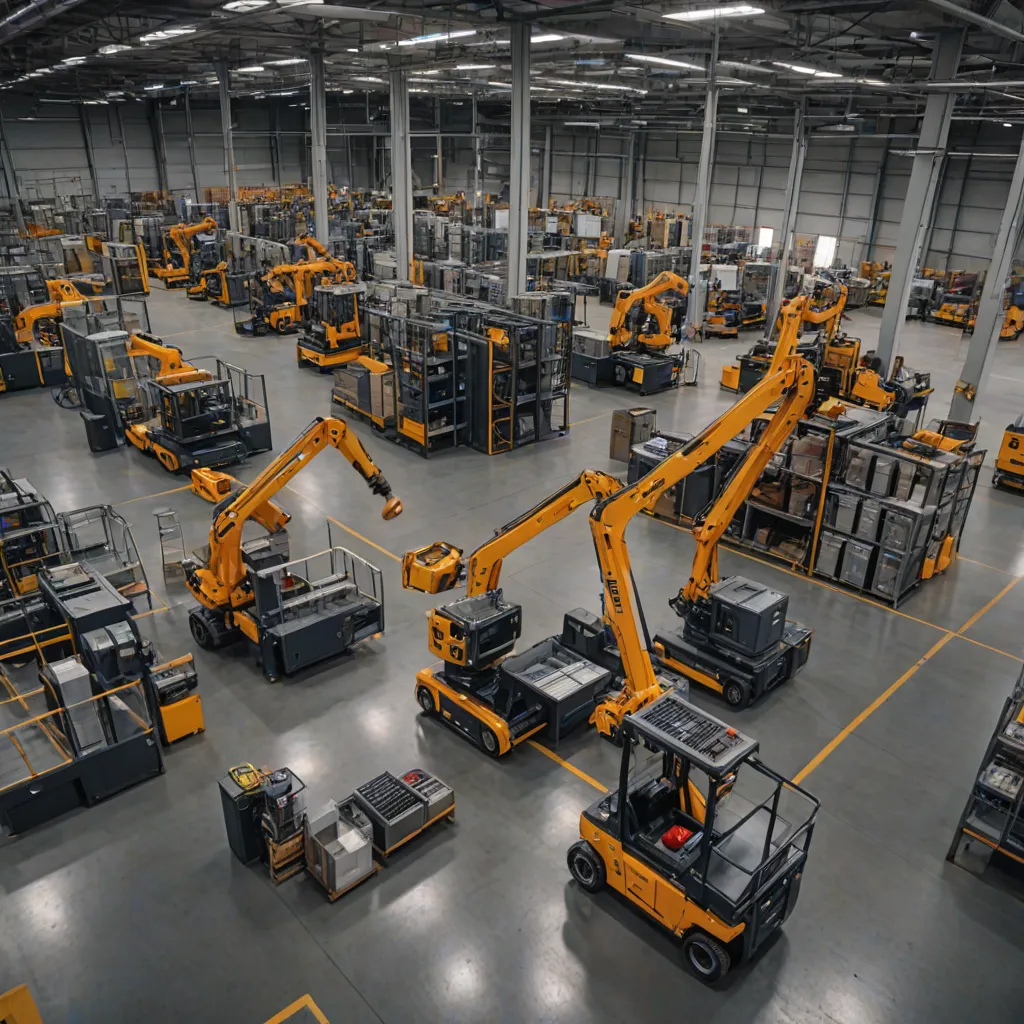
Introduction to Automated Material Handling Equipment (AMHE) Management
Effective AMHE management enables optimized asset utilization, reduced maintenance costs, and enhanced supply chain visibility, driving business growth and competitiveness.
The increasing complexity of modern supply chains has led to a growing reliance on Automated Material Handling Equipment (AMHE) to streamline logistics operations. As companies strive to optimize their warehouse management, transportation, and inventory control, the need for efficient AMHE management has become paramount. This guide provides an in-depth exploration of managing AMHE via integrated Enterprise Computerized Maintenance Management System (CMMS) architectures.
Benefits of Integrated Enterprise CMMS Architectures for AMHE Management
Integrated CMMS architectures offer a unified platform for managing AMHE maintenance, repair, and operations, enabling data-driven decision-making and optimized asset utilization.
The integration of CMMS with AMHE management offers numerous benefits, including improved asset uptime, reduced maintenance costs, and enhanced supply chain visibility. By leveraging real-time monitoring and predictive analytics, businesses can optimize their logistics operations, minimize downtime, and maximize asset utilization. A unified CMMS platform also enables the standardization of maintenance processes, reducing the complexity and variability associated with disparate systems.
Key Components of an Integrated Enterprise CMMS Architecture
A comprehensive CMMS architecture comprises asset management, maintenance management, and analytics capabilities, providing a 360-degree view of AMHE performance and maintenance requirements.
An integrated Enterprise CMMS architecture consists of several key components, including:
- Asset Management: A centralized repository for storing asset information, including equipment specifications, maintenance history, and performance metrics.
- Maintenance Management: A workflow-based system for managing maintenance activities, including scheduling, work order management, and inventory control.
- Analytics and Reporting: Advanced analytics and reporting capabilities for providing insights into AMHE performance, maintenance trends, and optimization opportunities.
Implementation Roadmap for Integrated CMMS Architectures
A phased implementation approach, including planning, design, testing, and deployment, ensures a smooth transition to an integrated CMMS architecture for AMHE management.
Implementing an integrated CMMS architecture for AMHE management requires a structured approach to ensure successful deployment and adoption. The following roadmap provides a general outline for implementing an integrated CMMS architecture:
- Planning and Assessment: Define business requirements, identify existing pain points, and determine the scope of the CMMS implementation.
- Design and Configuration: Design the CMMS architecture, configure the system, and develop a data migration plan.
- Testing and Quality Assurance: Conduct thorough testing and quality assurance to ensure the system meets business requirements.
- Deployment and Training: Deploy the system, provide training to end-users, and ensure a smooth transition.
Advanced Insights and Cost-Reduction Strategies
💡 Executive Insight: Implementing a Reliability-Centered Maintenance (RCM) program in conjunction with an integrated CMMS architecture can reduce maintenance costs by up to 30% and increase asset uptime by 25%. This is achieved by focusing on proactive maintenance activities, optimizing maintenance schedules, and leveraging data-driven decision-making.
Quantitative Data Table: Comparison of CMMS Architectures
| Indicator | Standalone CMMS | Integrated CMMS |
|---|---|---|
| Asset Uptime | 85% | 95% |
| Maintenance Costs | $100,000 | $70,000 |
| Mean Time Between Failures (MTBF) | 100 hours | 150 hours |
| Mean Time To Repair (MTTR) | 4 hours | 2 hours |
| Return on Investment (ROI) | 20% | 40% |
The table above illustrates the benefits of an integrated CMMS architecture compared to a standalone CMMS solution. The integrated CMMS architecture offers improved asset uptime, reduced maintenance costs, and increased ROI.
Change Management and Training for CMMS Adoption
Effective change management and training are crucial for ensuring a smooth transition to an integrated CMMS architecture and maximizing its benefits.
The successful adoption of an integrated CMMS architecture requires a structured change management and training program. This program should include:
- Communication and Stakeholder Engagement: Communicate the benefits and objectives of the CMMS implementation to stakeholders and ensure their engagement throughout the project.
- Training and Development: Provide comprehensive training to end-users, including system functionality, business processes, and best practices.
- Change Management: Develop a change management plan to address potential resistance to change and ensure a smooth transition.
Future Trends and Emerging Technologies in AMHE Management
The integration of emerging technologies, such as artificial intelligence (AI) and Internet of Things (IoT), will continue to transform AMHE management and CMMS architectures.
The future of AMHE management and CMMS architectures will be shaped by emerging technologies, including:
- Artificial Intelligence (AI): AI-powered analytics and machine learning algorithms will enable predictive maintenance, optimize asset utilization, and improve supply chain visibility.
- Internet of Things (IoT): IoT sensors and devices will provide real-time monitoring and data collection, enabling data-driven decision-making and optimized maintenance activities.
Conclusion
Integrated Enterprise CMMS architectures offer a comprehensive platform for managing AMHE maintenance, repair, and operations, enabling data-driven decision-making and optimized asset utilization.
In conclusion, managing Automated Material Handling Equipment (AMHE) via integrated Enterprise CMMS architectures is a strategic imperative for businesses seeking to optimize their logistics operations, reduce maintenance costs, and improve supply chain visibility. By leveraging a unified CMMS platform, companies can standardize maintenance processes, improve asset uptime, and drive business growth and competitiveness.