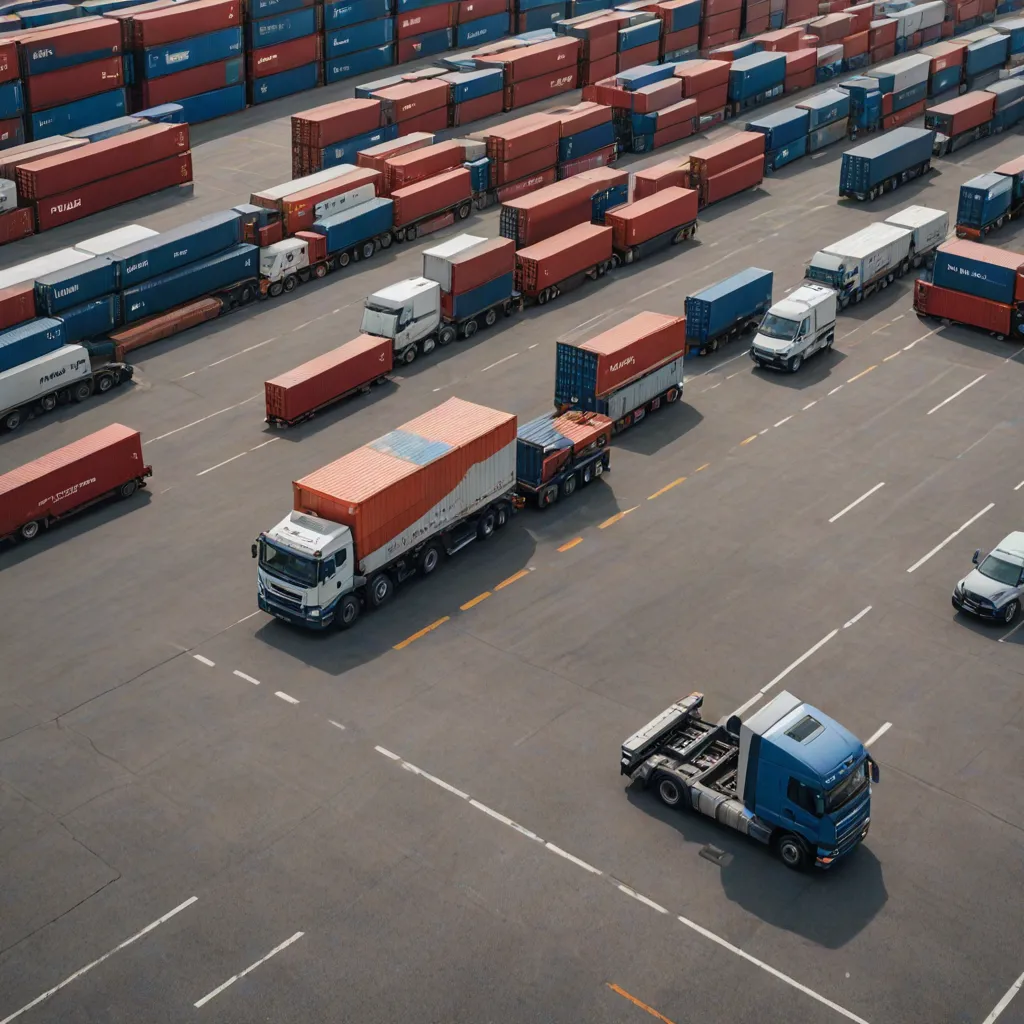
Introduction to Zero-Emission Port Logistics
The adoption of zero-emission vehicles in port logistics is crucial for reducing greenhouse gas emissions and mitigating climate change. Incentives and supportive policies are driving the transition to cleaner transportation alternatives.
The port logistics sector is a significant contributor to greenhouse gas emissions, primarily due to the reliance on fossil fuel-powered vehicles. As governments worldwide implement stricter environmental regulations, ports are under pressure to reduce their carbon footprint. One effective strategy is replacing traditional port logistics vehicles with zero-emission alternatives, such as electric or hydrogen fuel cell vehicles. This transition not only helps minimize emissions but also offers several operational and financial benefits.
Benefits of Zero-Emission Port Logistics Vehicles
Zero-emission vehicles offer a cost-effective and sustainable solution for port logistics, providing reduced fuel costs, lower maintenance expenses, and improved air quality.
The benefits of adopting zero-emission vehicles in port logistics are multifaceted. Firstly, these vehicles significantly reduce fuel costs, as electricity or hydrogen are often cheaper than fossil fuels. Additionally, zero-emission vehicles require less maintenance, resulting in lower operational expenses. Moreover, they improve air quality, contributing to a healthier environment for port workers and surrounding communities.
💡 Executive Insight: Consider implementing a vehicle-to-grid (V2G) technology, which enables zero-emission vehicles to supply electricity back to the grid when not in use, generating additional revenue streams and reducing energy costs.
Incentives for Adopting Zero-Emission Vehicles
Various incentives, including tax credits, grants, and low-interest loans, are available to encourage the adoption of zero-emission vehicles in port logistics, helping to offset higher upfront costs.
Governments and organizations offer a range of incentives to promote the adoption of zero-emission vehicles in port logistics. These incentives include tax credits, grants, and low-interest loans, which help offset the higher upfront costs associated with purchasing zero-emission vehicles. For example, the U.S. government offers a tax credit of up to $40,000 for the purchase of a zero-emission vehicle. Similarly, the European Union provides funding for ports to invest in zero-emission technologies.
Challenges and Limitations
Despite the benefits, the adoption of zero-emission vehicles in port logistics faces challenges, including higher upfront costs, limited charging infrastructure, and regulatory hurdles.
While the benefits of zero-emission vehicles are clear, there are several challenges and limitations to their adoption in port logistics. One of the primary concerns is the higher upfront cost of purchasing zero-emission vehicles, which can be a significant barrier for many ports. Additionally, the limited availability of charging infrastructure can make it difficult to support widespread adoption. Regulatory hurdles, such as complex permitting processes, can also slow the transition to zero-emission vehicles.
Financial Analysis of Zero-Emission Vehicles
A comprehensive financial analysis reveals that zero-emission vehicles can provide significant cost savings over their lifespan, making them a viable option for port logistics operations.
The following table provides a comparison of key financial indicators for traditional fossil fuel-powered vehicles and zero-emission vehicles:
| Indicator | Traditional Vehicles | Zero-Emission Vehicles |
|---|---|---|
| Purchase Price | $100,000 | $120,000 |
| Fuel Cost (per year) | $30,000 | $10,000 |
| Maintenance Cost (per year) | $5,000 | $3,000 |
| Operating Life | 10 years | 12 years |
| Total Cost of Ownership | $350,000 | $280,000 |
As shown in the table, zero-emission vehicles offer significant cost savings over their lifespan, primarily due to reduced fuel and maintenance costs.
Case Studies and Best Practices
Several ports worldwide have successfully transitioned to zero-emission vehicles, providing valuable insights and best practices for others to follow.
The Port of Los Angeles, for example, has implemented an electric vehicle charging infrastructure and is currently operating a fleet of electric yard tractors. Similarly, the Port of Rotterdam has introduced a hydrogen fuel cell terminal tractor, reducing emissions and operating costs. These case studies demonstrate the feasibility and benefits of adopting zero-emission vehicles in port logistics.
Conclusion and Recommendations
Replacing traditional port logistics vehicles with zero-emission alternatives offers numerous benefits, including reduced emissions, lower operating costs, and improved air quality; ports should explore available incentives and develop a strategic plan for a seamless transition.
In conclusion, the transition to zero-emission vehicles in port logistics is a critical step towards reducing greenhouse gas emissions and mitigating climate change. By exploring available incentives and developing a strategic plan, ports can make a seamless transition to cleaner transportation alternatives. We recommend that ports:
- Conduct a comprehensive financial analysis to determine the feasibility of zero-emission vehicles
- Explore available incentives, such as tax credits and grants
- Develop a strategic plan for transitioning to zero-emission vehicles
- Invest in charging infrastructure to support widespread adoption
By following these recommendations, ports can unlock cost savings, reduce emissions, and contribute to a more sustainable future.