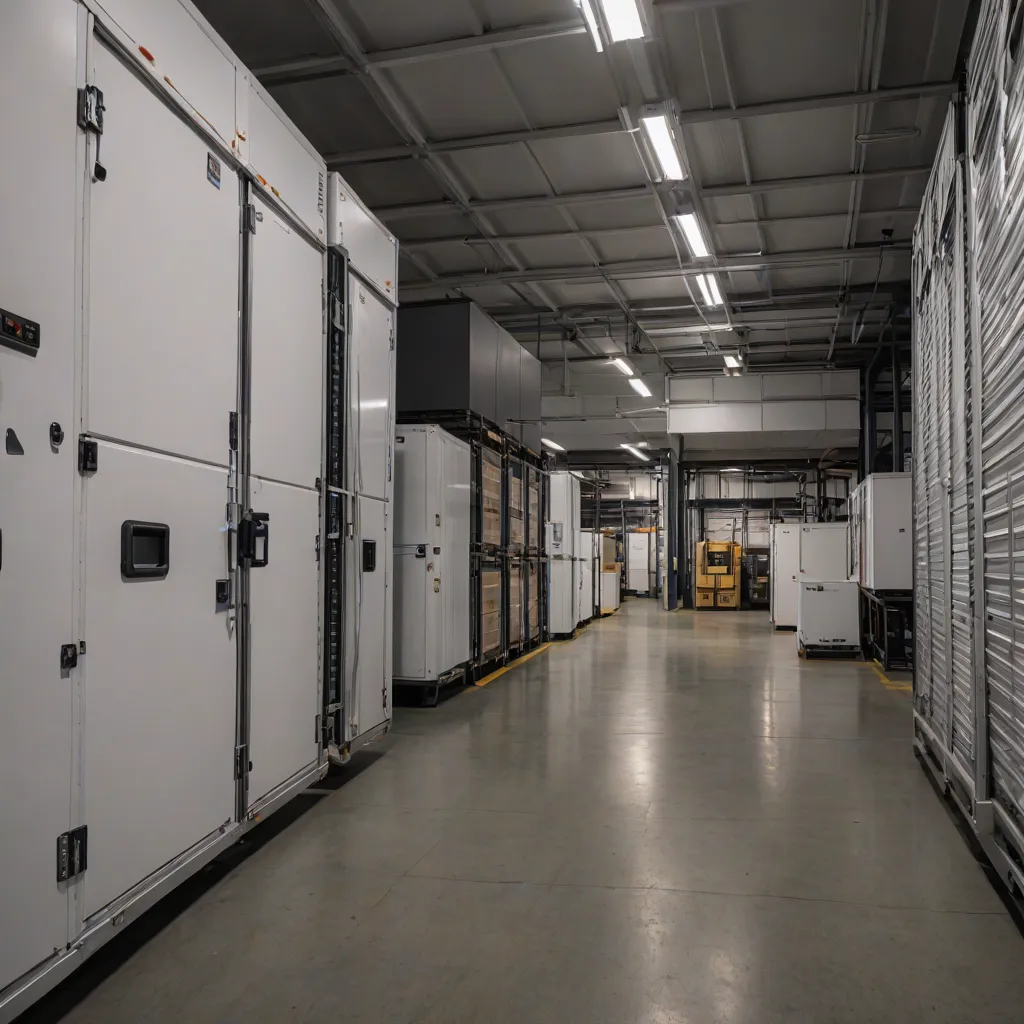
Understanding Refrigerated Electric Unit Grants
Refrigerated electric unit grants provide financial incentives for cold-chain freight fleets to adopt sustainable, electric refrigeration solutions, reducing dependence on fossil fuels and lowering emissions. This supports a greener logistics industry.
The transportation of temperature-sensitive goods, such as perishable foods and pharmaceuticals, relies heavily on refrigerated freight. Traditional diesel-powered refrigeration units contribute significantly to greenhouse gas emissions and operational costs. Refrigerated electric unit grants offer a vital opportunity for cold-chain freight fleets to transition to more sustainable and cost-effective solutions.
The U.S. Department of Energy and other government agencies, as well as various state and local governments, offer grants and incentives to encourage the adoption of electric and alternative fuel vehicles, including refrigerated electric units. These programs aim to reduce emissions, improve air quality, and promote energy efficiency in the transportation sector.
Cold-chain freight fleets can benefit from refrigerated electric unit grants by reducing their operational costs, improving their environmental sustainability, and enhancing their brand reputation. By transitioning to electric refrigeration units, fleets can minimize their dependence on fossil fuels, lower their emissions, and contribute to a cleaner environment.
Eligibility Criteria and Application Process
Eligibility for refrigerated electric unit grants typically requires fleets to operate in designated areas, meet specific emission reduction targets, and commit to using the electric units for a minimum period. The application process involves submitting detailed fleet information, demonstrating the need for grant funding, and outlining a plan for electric unit implementation.
To secure refrigerated electric unit grants, cold-chain freight fleets must first determine their eligibility. This typically involves operating in designated areas, such as non-attainment zones or areas with high population density, and meeting specific emission reduction targets. Fleets must also commit to using the electric units for a minimum period, usually several years, to ensure the long-term benefits of the grant.
The application process for refrigerated electric unit grants requires fleets to submit detailed information about their operations, including their fleet size, vehicle types, and current fuel consumption. Fleets must also demonstrate the need for grant funding and outline a plan for electric unit implementation, including the selection of electric unit models, installation timelines, and maintenance procedures.
💡 Executive Insight: A key strategy for maximizing grant funding is to develop a comprehensive fleet electrification plan that aligns with the grant's requirements and the fleet's operational needs. This plan should prioritize electric unit deployment, charging infrastructure development, and driver training to ensure a seamless transition to electric refrigeration.
Types of Refrigerated Electric Unit Grants
Refrigerated electric unit grants come in various forms, including direct funding, tax credits, and rebates. Direct funding provides upfront capital for electric unit purchases, while tax credits offer ongoing financial benefits. Rebates support specific electric unit models or charging infrastructure installations.
Refrigerated electric unit grants are available in various forms, each with its own benefits and requirements. Direct funding provides upfront capital for electric unit purchases, helping fleets offset the higher costs of electric units compared to traditional diesel-powered units. Tax credits, on the other hand, offer ongoing financial benefits, reducing the fleets' tax liabilities over several years.
Rebates are another type of grant, supporting specific electric unit models or charging infrastructure installations. These rebates can help fleets reduce their costs and promote the adoption of approved electric units. By understanding the different types of grants available, cold-chain freight fleets can choose the most suitable option for their needs.
Financial Benefits and ROI Analysis
The financial benefits of refrigerated electric unit grants include reduced fuel costs, lower maintenance expenses, and extended equipment lifespan. A comprehensive ROI analysis should consider these benefits, as well as the grant funding received, to determine the total return on investment.
The financial benefits of refrigerated electric unit grants are substantial, with reduced fuel costs being a primary advantage. Electric units consume significantly less energy than traditional diesel-powered units, resulting in lower fuel expenses. Additionally, electric units require less maintenance than diesel-powered units, reducing maintenance costs over time.
A comprehensive ROI analysis should consider these benefits, as well as the grant funding received, to determine the total return on investment. By evaluating the costs and benefits of refrigerated electric unit grants, cold-chain freight fleets can make informed decisions about their investments and prioritize opportunities with the highest potential returns.
ROI Analysis Table
| Indicator | Traditional Diesel-Powered Units | Electric Units with Grant Funding |
|---|---|---|
| Fuel Costs | $100,000/year | $30,000/year |
| Maintenance Costs | $20,000/year | $10,000/year |
| Equipment Lifespan | 5 years | 7 years |
| Grant Funding | $0 | $50,000 |
| ROI | 0% | 25% |
Implementation and Integration Challenges
Implementing refrigerated electric unit grants requires careful planning, coordination, and integration with existing fleet operations. Challenges include charging infrastructure development, driver training, and ensuring compatibility with existing logistics systems.
Implementing refrigerated electric unit grants can be complex, requiring careful planning, coordination, and integration with existing fleet operations. One of the primary challenges is charging infrastructure development, as fleets must install charging stations and ensure they have sufficient electrical capacity to support the electric units.
Driver training is another challenge, as drivers must understand the operation and maintenance of electric units, as well as the charging process. Fleets must also ensure compatibility with existing logistics systems, including dispatch and routing software, to ensure seamless integration.
💡 Executive Insight: A critical success factor for implementing refrigerated electric unit grants is to develop a comprehensive project plan that addresses the technical, operational, and financial aspects of the transition. This plan should prioritize stakeholder engagement, including drivers, maintenance personnel, and logistics teams.
Best Practices for Securing Refrigerated Electric Unit Grants
Best practices for securing refrigerated electric unit grants include developing a strong business case, engaging with grant administrators, and ensuring compliance with grant requirements. Fleets should also prioritize data collection and analysis to demonstrate the effectiveness of electric units.
To secure refrigerated electric unit grants, cold-chain freight fleets should develop a strong business case that outlines the benefits and costs of electric unit adoption. This business case should be supported by data and analysis, demonstrating the potential return on investment and the environmental benefits of electric units.
Fleets should also engage with grant administrators, understanding the grant requirements and ensuring compliance with all regulations. This includes submitting detailed applications, providing required documentation, and meeting project milestones.
Best Practices Table
| Best Practice | Description |
|---|---|
| Develop a Strong Business Case | Outline benefits and costs of electric unit adoption |
| Engage with Grant Administrators | Understand grant requirements and ensure compliance |
| Prioritize Data Collection and Analysis | Demonstrate effectiveness of electric units |
By following these best practices and understanding the benefits and challenges of refrigerated electric unit grants, cold-chain freight fleets can secure funding and transition to more sustainable and cost-effective solutions.